Neuromodulators and Migraines
Neuromodulation refers to the use of electrical or magnetic stimulation to influence nervous system activity as a non-drug approach for migraine management. These devices aim to change the way nerves communicate pain signals, either to stop an attack once it starts or to reduce how often attacks occur. They can be used alone or alongside medication and lifestyle strategies. Many are FDA-cleared and generally well tolerated with minimal side effects compared with medications
Cefaly – External Trigeminal Nerve Stimulation (eTNS)
What it is:
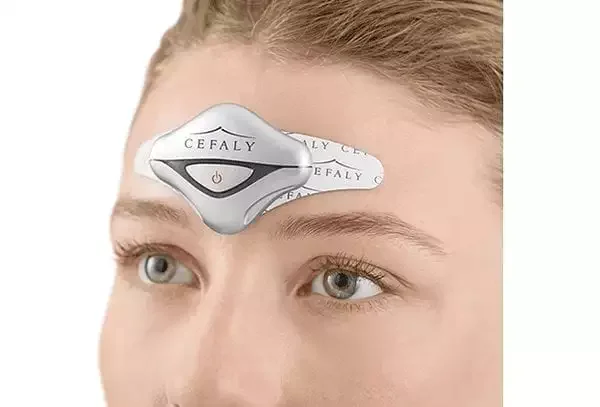
Cefaly is a wearable neuromodulation device that delivers gentle electrical stimulation to the trigeminal nerve – a major nerve involved in migraine pain.
How it works:
You place an adhesive electrode on your forehead and wear the device like a small patch. The device sends mild electrical impulses through the trigeminal nerve, which can interrupt pain signals and reduce migraine activity. It theoretically “desensitizes” the nerve and may influence central pain pathways over time.
Acute treatment: One-hour stimulation at migraine onset.
Preventive use: Daily 20-minute sessions can reduce the frequency of migraine attacks when used consistently over weeks.
Pros:
Over-the-counter (OTC) availability in many areas.
Dual function for both acute and preventative use.
Minimal systemic side effects.
Considerations:
Some users feel tingling or mild discomfort on the skin.
Insurance coverage is limited for many patients.
Preventive benefit generally appears over weeks/months rather than immediately.
Out of Pocket Cost (not covered by insurance)
Nerivio – Remote Electrical Neuromodulation (REN)
What it is:
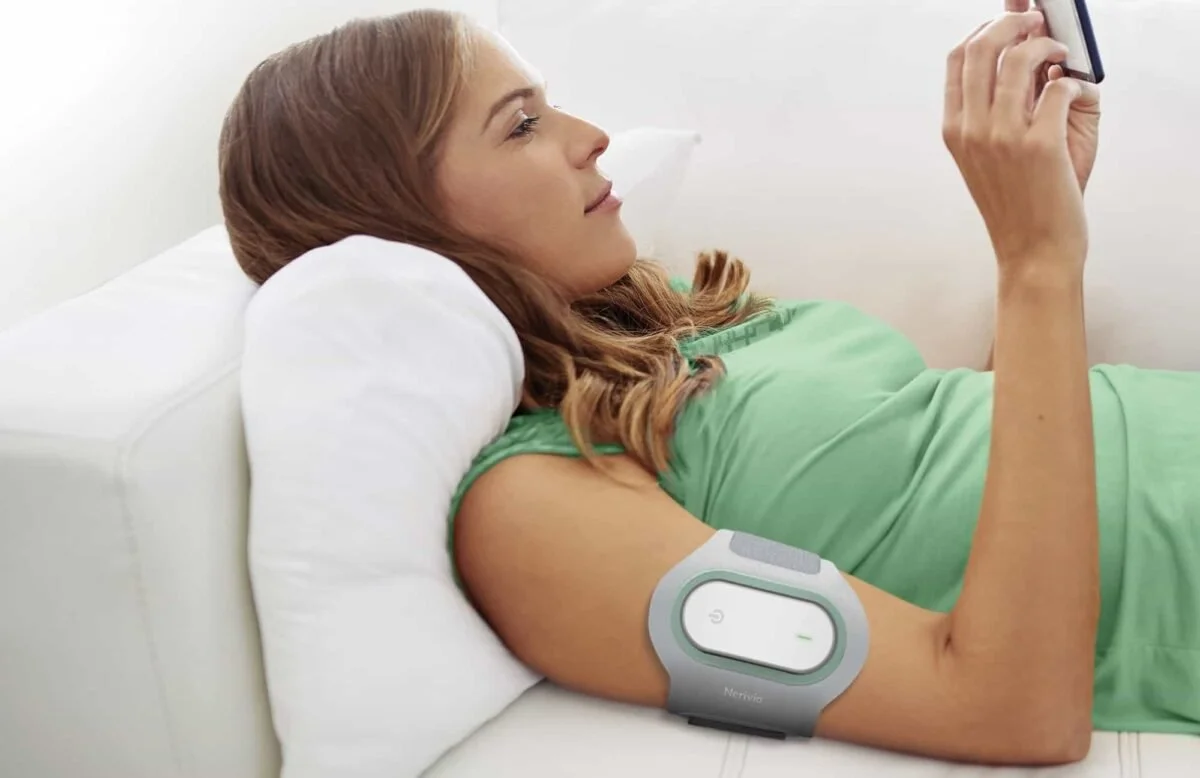
Nerivio is a remote electrical neuromodulation device worn on the upper arm, which uses a smartphone app to control stimulation. It’s FDA-cleared for both acute and preventive migraine use in adults and adolescents. Nerivio+1
How it works:
Rather than stimulating at the site of pain, Nerivio activates nerve fibers in the arm to engage the body’s natural pain-inhibitory system (called conditioned pain modulation). Signals from arm stimulation travel to the brainstem and trigger release of pain-relieving neurotransmitters like serotonin and norepinephrine, which can suppress migraine pain. Nerivio
Uses:
Acute relief: Start a 45-minute session within about 60 minutes of migraine onset.
Preventive approach: Use every other day for ongoing treatment.
Pros:
Portable and discreet compared to head-worn devices.
Minimal side effects; common sensations include warmth or mild skin tingling.
Considerations:
Requires a smartphone app for operation.
Some people find the sensation or app logistics cumbersome.
Effectiveness varies; while many benefit, not everyone responds equally.
How These Devices Fit Into Migraine Care
Neuromodulation devices like Cefaly and Nerivio offer non-pharmacological options for people who:
Cannot tolerate certain medications,
Prefer fewer systemic side effects,
Want complementary therapy alongside meds, or
Have contraindications to standard treatments.
They don’t replace all medications but can be part of a comprehensive migraine toolkit that includes lifestyle changes, preventive therapies, and abortive treatments.
What Evidence Shows
Research supports that noninvasive neuromodulation devices can reduce migraine symptoms and attack frequency with minimal risk, and they are increasingly recognized as useful options for certain patients. The best approach is often guided by personal response, headache pattern, and clinician input.